Your Soufflé Collapsed. Here's Why.
One kitchen failure. Three root causes. One clear path forward.
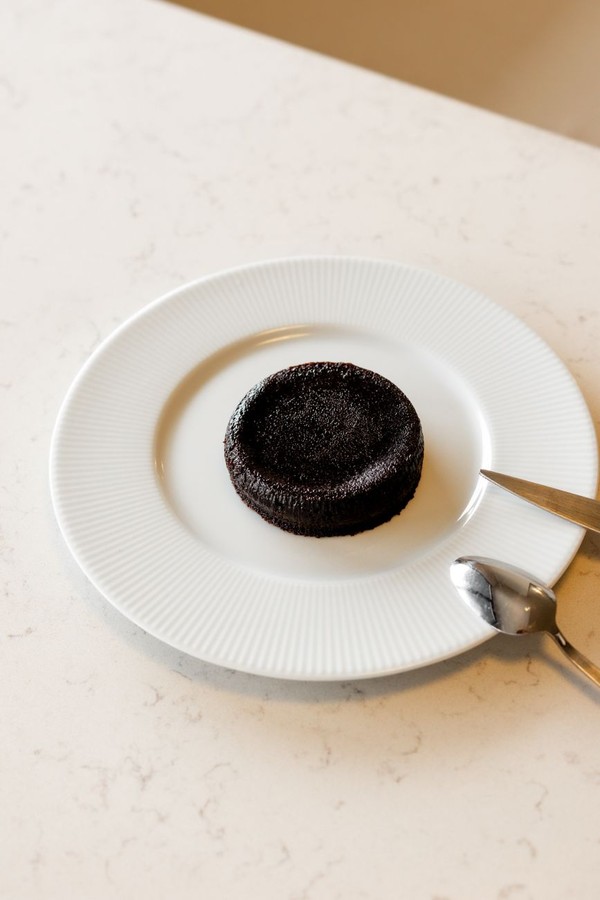
A collapsed soufflé isn't bad luck—it's a message. Temperature control, timing, and technique failures leave visible clues in every kitchen mistake. Learning to read those clues transforms frustration into mastery.
This diagnostic gateway connects your real cooking failures to targeted skill-building modules. Identify what went wrong, understand why it happened, and master the techniques that prevent it next time.
From Symptom to Skill Gap
What went wrong, why it happened, and which module fixes it.
Symptom
Soufflé deflates after 15 minutes. Sauce breaks when you add butter. Eggs scramble instead of emulsify.
Root Cause
Temperature control gaps. Timing misalignment. Ingredient temperature mismatches. These are not intuition—they are measurable, teachable skills that frustrated home cooks and career switchers can master through diagnosis.
Module Path
Thermometer Mastery. Emulsion Fundamentals. Protein Structure & Heat. Each module maps directly to the mistake you made, so you stop guessing and start recognizing.
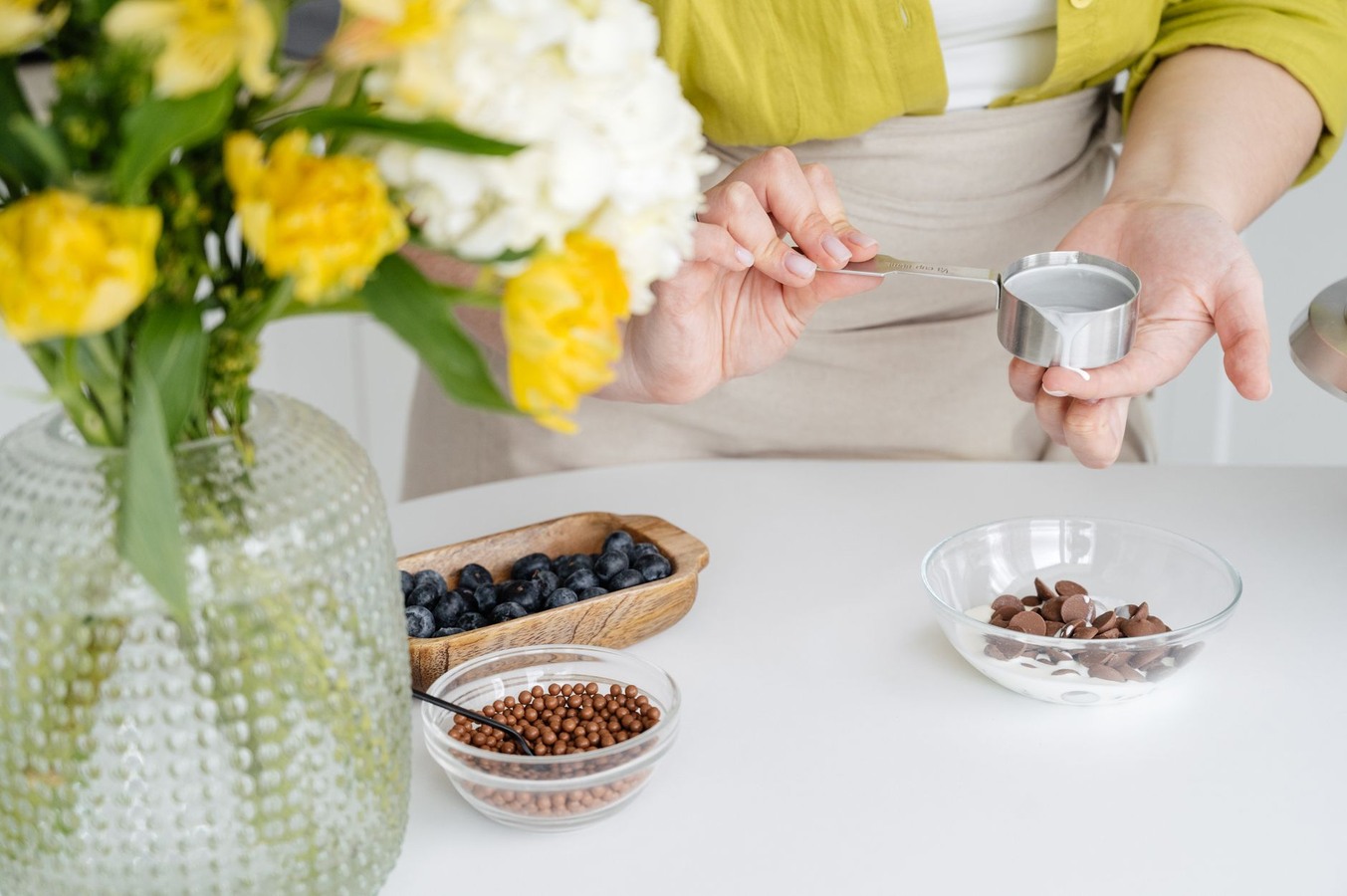
Hands-On Programs That Correct Real Mistakes
Before-and-after reasoning: temperature control → thermometer mastery → confident emulsification.
Thermometer Mastery
After: Reading internal temperature with precision. Understanding carryover cooking. Recognizing the exact moment proteins set.
Emulsion Fundamentals
After: Diagnosing why emulsions break. Controlling fat-to-liquid ratios. Recovering a broken sauce mid-cook.
Protein Structure & Heat
After: Understanding protein denaturation. Timing proteins to their peak. Building texture through precise heat application.
Acid & Balance
After: Tasting for acid. Balancing salt, fat, and acid. Correcting flavor in real time without starting over.
What Students Learn to Recognize and Correct
Real struggles. Real diagnosis. Real skill-building.
Maya's Broken Béarnaise
Struggle: Béarnaise split every time. Blamed the recipe. Blamed the eggs. Blamed herself.
Diagnosis: Ingredient temperature mismatch. Butter too hot. Egg yolks too cold. No thermometer check.
Correction: Learned to temper yolks. Measured butter temperature. Built emulsion at 120°F. Now makes béarnaise on demand.
James's Overcooked Chicken
Struggle: Chicken always came out dry. Cooked it longer to be safe. Made it worse.
Diagnosis: No internal temperature reference. Cooking by time, not by doneness. Carryover cooking ignored.
Correction: Invested in a thermometer. Learned to pull at 160°F. Understood carryover to 165°F. Chicken now stays juicy.
Sofia's Scrambled Custard
Struggle: Crème brûlée always came out grainy. Thought she was bad at baking.
Diagnosis: Oven temperature uncalibrated. Custard overheated. Eggs cooked too fast, proteins seized.
Correction: Calibrated oven. Learned water bath function. Pulled custard at 170°F. Now makes silky, set custard every time.
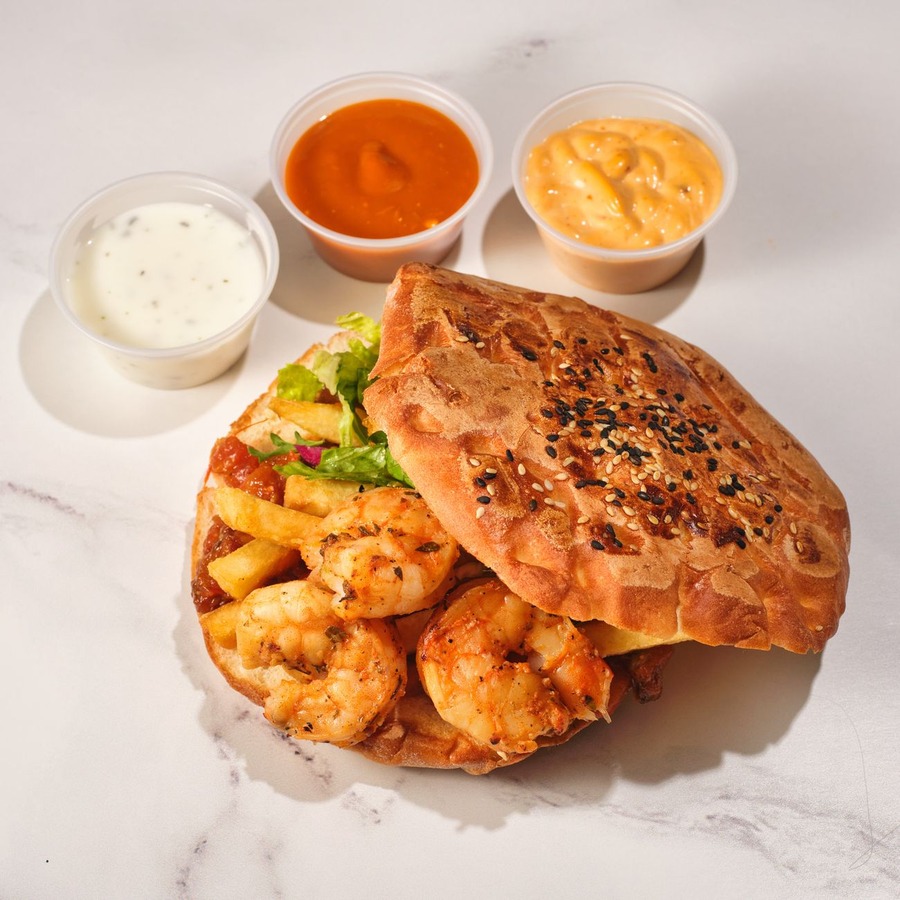
Ravi's Flat Sauces
Struggle: Sauces tasted one-dimensional. Added more salt. Made it worse.
Diagnosis: No acid in the sauce. Salt alone cannot fix flavor. Missing the acid-salt-fat triangle.
Correction: Learned to taste for acid. Added lemon juice. Balanced with butter. Sauces now sing.
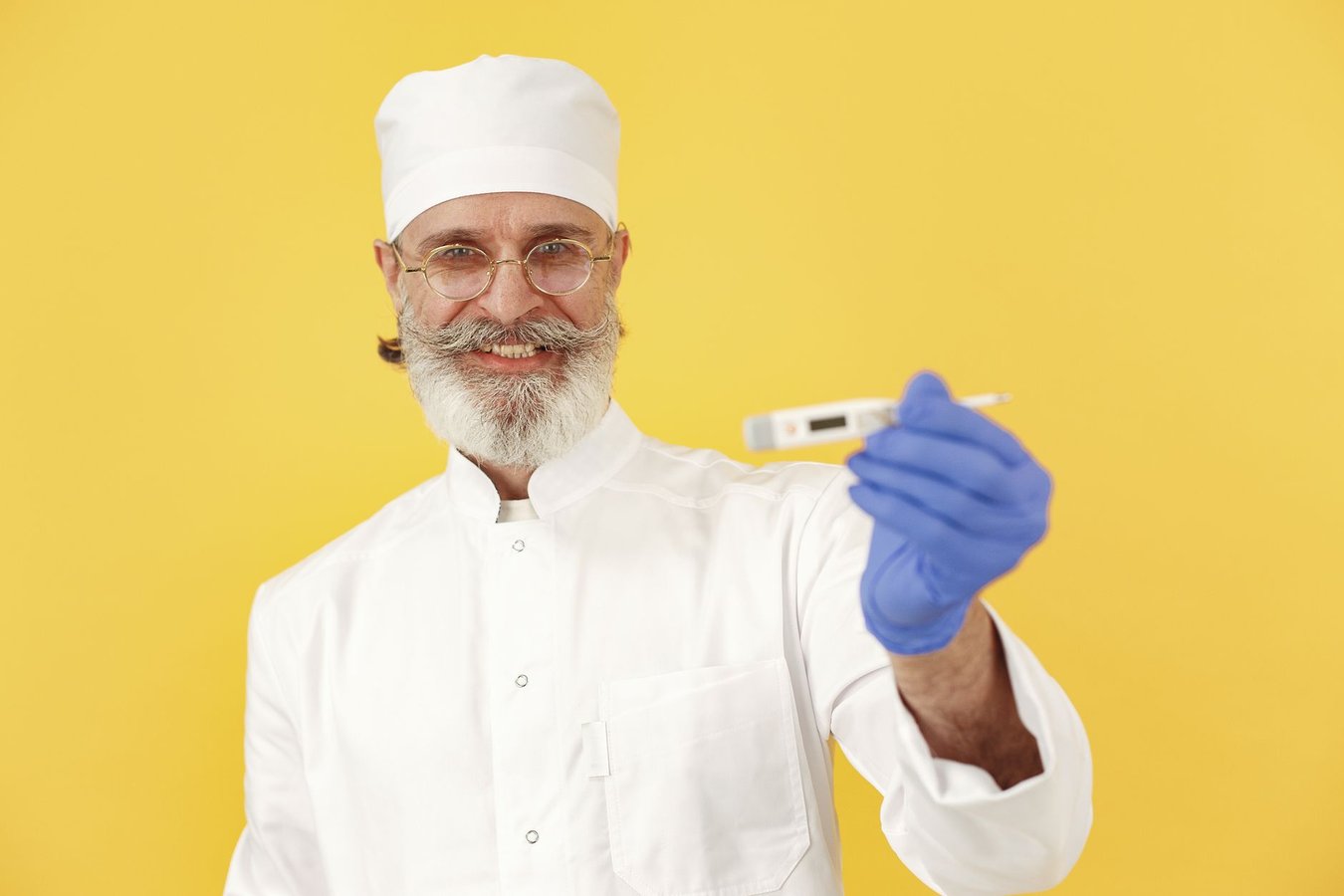
Begin Your Culinary Diagnosis
Answer a few questions. We'll map your skill gaps and recommend your first module.
The Culinary Diagnosis Academy maps kitchen failures to structured learning outcomes. Each module isolates a specific skill gap—heat management, emulsification, timing, seasoning—and builds competence through hands-on practice and diagnostic feedback.
Whether you're inconsistent with sauces, struggle with baking precision, or can't achieve restaurant-quality results at home, our academy identifies your exact weak points and delivers the focused training that closes them.